


If you’ve ever followed a recipe carefully and still ended up with something that just wasn’t quite right, you are definitely not alone. Baking can feel a little unpredictable at times, especially when things don’t turn out as expected.
The good news is that most things that go wrong in the kitchen come down to a handful of very common issues. Once you know what to look for, they’re easy to fix and your results will improve straight away.

Common baking mistakes and how to fix them
Here are some of the most common baking problems, what causes them, and how to fix them next time.
Why didn’t my cake rise? (a common baking problem)
If your cake is flat or lower than expected, it usually means it has lost some of its lift along the way.
This often happens when:
- your baking powder or baking soda isn’t fresh
- ingredients weren’t measured accurately
- the mixture was overmixed once the flour was added
- cold ingredients affected the batter
- the wrong tin size was used
- the mixture sat too long before going into the oven
- the oven wasn’t fully preheated
What to do next time:
Check your raising agents are fresh, measure carefully, and get the mixture into the oven as soon as it’s ready. If the recipe calls for room temperature ingredients, it’s well worth following.
If you’re looking for reliable cake recipes to try again, you can find all of my favourites here.
Why is my baking dense or heavy?
A heavy texture usually comes down to too much flour or too much mixing.
This often happens when:
- flour is packed too firmly when measuring
- the mixture is overmixed after adding flour
- there isn’t quite enough raising agent
- the mixture sat for too long before baking
- butter and sugar weren’t creamed enough (for butter-based cakes)
What to do next time:
Measure flour carefully and mix gently just until combined. It doesn’t need to be perfectly smooth.
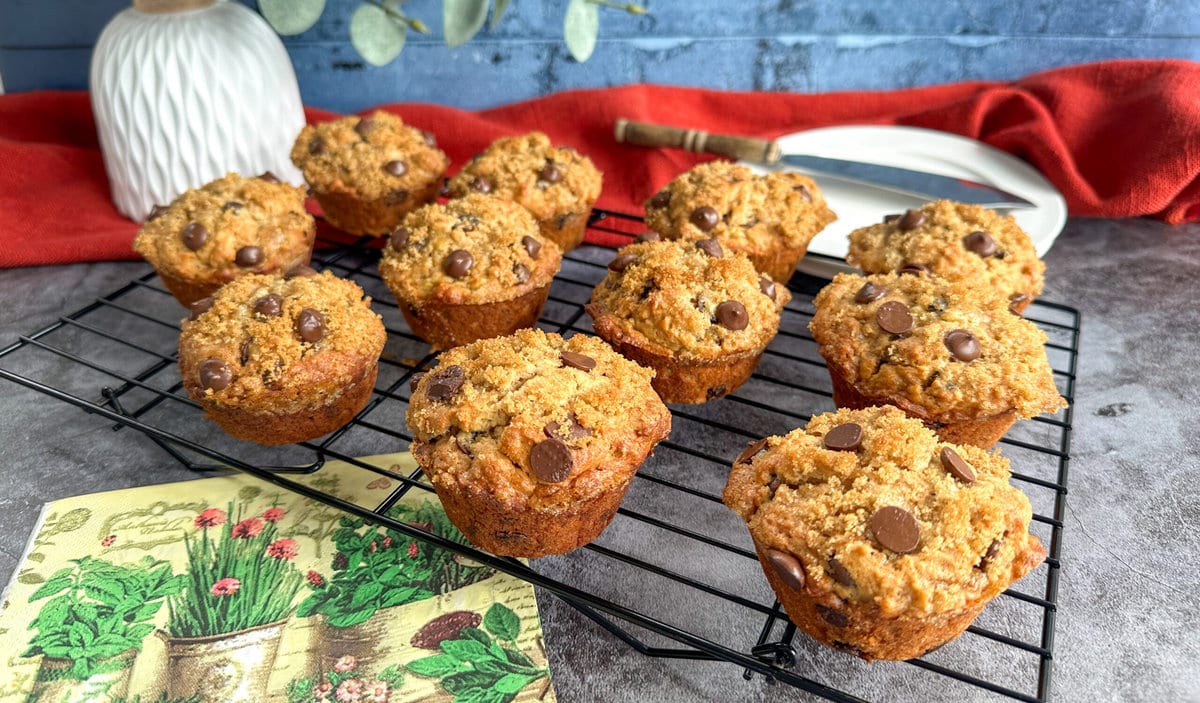
👉 If you’re making muffins, I go into this in more detail here: Muffin Troubleshooting Guide
Why did it turn out dry?
Dry results are usually caused by too much flour or too much time in the oven.
You might notice this if:
- left in the oven even a few minutes too long
- oven running slightly hot
- flour was over-measured
- the tin was larger than the recipe expected
- there wasn’t quite enough fat or liquid
What to do next time:
Check a few minutes before the suggested time, measure carefully, and use the tin size listed in the recipe where possible.
Why did my cake sink in the middle?
If a cake sinks, the centre hasn’t quite set before it was taken out of the oven.
This can happen if:
- the oven door was opened too early
- the centre was slightly undercooked
- too much raising agent was used
- the mixture was overmixed
- the tin size wasn’t quite right
What to do next time:
Keep the oven door closed until the cake is mostly set, measure carefully, and bake until the centre springs back lightly when touched.
Why did my cookies spread too much?
If cookies spread too far, the dough is usually too soft or the balance is slightly off.
This usually comes down to:
- butter was too soft or melted
- the dough was warm
- there wasn’t quite enough flour
- there was slightly too much liquid in the dough (eggs, syrup etc)
- there was a little too much sugar
- the tray was hot when the dough was added
- baking tray not lined (greased trays can cause spread)
What to do next time:
Use softened butter, place dough onto a cool tray, and chill the dough if needed before baking.
If you’re after cookie recipes that hold their shape beautifully, I’ve shared all of mine here.

Why is it burnt on the outside but raw in the middle?
When the outside cooks too quickly, it usually comes down to heat or tin size.
This can happen if:
- the oven is running too hot
- the oven heat is too strong, especially from above
- the tin is too small or too dark
- the rack is too high in the oven
- the mixture is deeper than intended
What to do next time:
Bake on a rack near the centre of the oven and use the recommended tin size. If the top is colouring too quickly, cover it loosely with foil.
Why didn’t my dough rise?
If dough isn’t rising, it usually means the conditions weren’t quite right.
This can happen if:
- the yeast isn’t active
- the liquid was too hot or too cold
- the room is quite cool
- the dough is too dry
- there is too much salt or sugar
What to do next time:
Use fresh yeast, warm (not hot) liquid, and allow the dough to rise in a warm spot. If it’s slow, give it more time.

Why is my baking tough or chewy?
A tough texture is usually caused by too much flour or too much mixing.
This can happen if:
- flour was over-measured
- the mixture was overmixed
- the wrong type of flour was used
What to do next time:
Measure carefully and stop mixing as soon as everything is combined. A light hand makes a big difference.
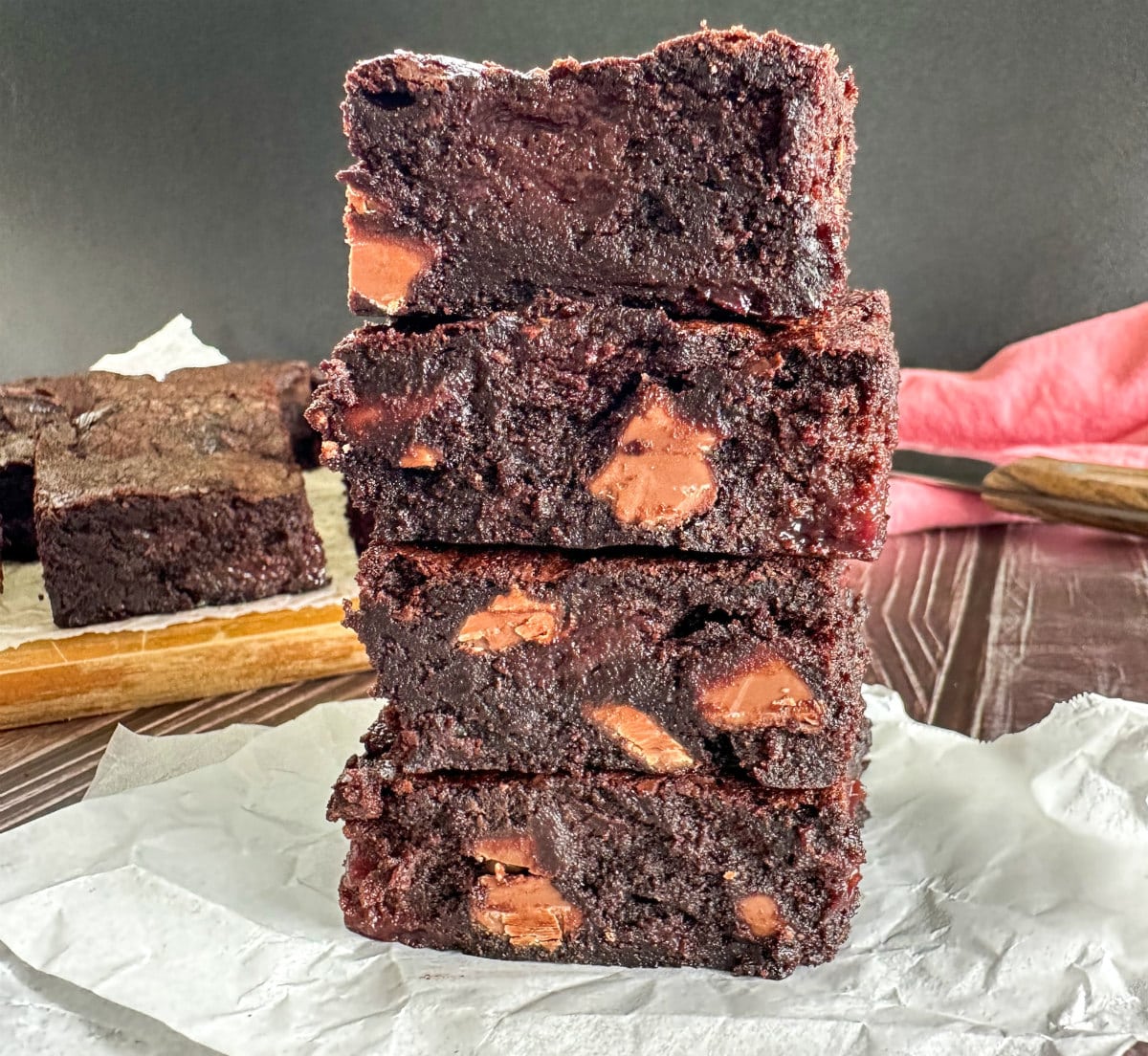
👉 This is especially important for brownies: Check out my Brownie Troubleshooting Guide and my full collection of brownie recipes here.
Why did my mixture curdle or split?
This is very common and usually comes down to temperature.
This can happen if:
- ingredients were too cold
- eggs were added too quickly
- the mixture wasn’t blended fully between additions
What to do next time:
Use room temperature ingredients and add eggs gradually. If it starts to look curdled, add a spoonful of flour and mix gently to bring it back together.

Why didn’t my recipe turn out like the photo?
Even when you follow a recipe closely, small differences can change the result.
This can happen if:
- ingredients were measured differently
- substitutions were made
- the oven runs hotter or cooler
- a different tin size was used
What to do next time:
Follow the recipe as written the first time, measure as accurately as you can, and use the suggested tin. Once you know how it behaves, it’s much easier to adjust.
A few extra tips that make a big difference
- Always preheat your oven properly
- Measure ingredients carefully
- Use the correct tin size
- Don’t rush cooling time
Small details really do matter, and once you get these right, everything becomes much more reliable.
You might also find these helpful
If you’re looking for more specific help, I’ve put together detailed guides for some of the most common recipes:
More Frequently Asked Baking Questions
Even a few extra minutes in the oven, too much flour, or using a larger tin can dry it out. Check early, measure carefully, and use the tin size listed in the recipe.
Usually the dough is too warm, the butter is too soft, or the balance of flour and sugar is slightly off.
Weighing is more accurate, especially for flour. Cups can vary depending on how ingredients are scooped or packed. In New Zealand, our cups are 250 ml and tablespoons are 15 ml, so keep that in mind when using overseas recipes.
Tin size affects how quickly and evenly something cooks. A larger tin can dry things out, while a smaller one can leave the centre undercooked.
They combine more evenly and help create a smoother mixture, which gives a better texture in the finished result.
It’s best to wait until it is mostly set. Opening the oven too early can cause it to sink.
If your dough isn’t rising after plenty of time, the yeast may be old, the liquid may have been too hot, or the dough may be too cold. I like to check mine first by mixing it with warm liquid — if it becomes foamy, it’s active.
Yes, most of the time. Adding a spoonful of the measured flour from the recipe and mixing gently will often bring it back together.
If something hasn’t turned out quite right, chances are it’s one small thing, and once you spot it, it’s easy to fix next time.
If you’d like to try again, I’ve shared lots of reliable recipes here to get you started.
If I’ve missed something you’re struggling with, feel free to pop a comment below or send me a message. I’m always happy to help 💛
Happy Baking!
Anna xo
Leave a Reply