


Muffins are one of the easiest things to bake, but they can also be a little unpredictable. If you’ve ever ended up with dry, dense or flat muffins, you’re definitely not alone.
The good news is that most muffin problems come down to just a few simple things. Once you know what to look for, they’re very easy to fix.
If you’re looking for a broader guide covering common baking problems across cakes, cookies and more, I’ve shared that here.
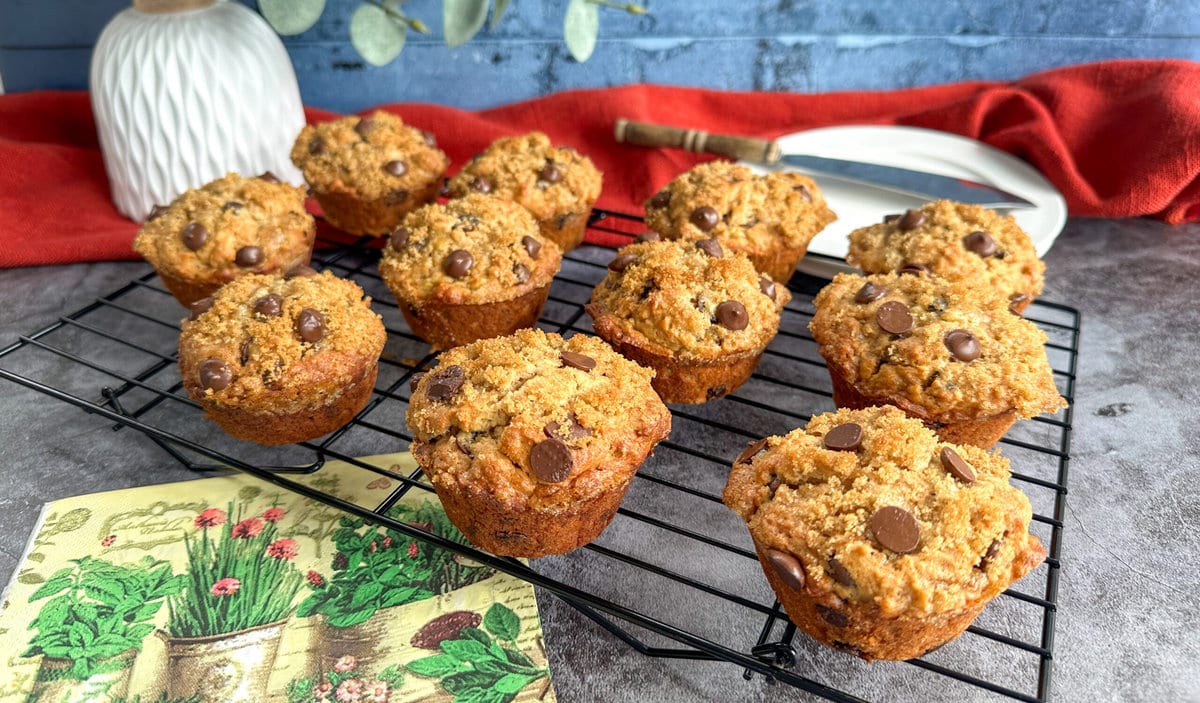
Why Are My Muffins Dense?
Dense muffins are usually caused by overmixing.
Once you add the flour, the more you stir, the more you develop the gluten, which makes muffins heavy instead of soft.
What to do instead:
- Mix gently and only until just combined
- It’s fine if the batter looks a little lumpy
- Stop as soon as you can no longer see dry flour
You can see this in recipes like my blueberry muffins or peanut butter banana choc muffins, where a light hand when mixing makes all the difference.
Why Are My Muffins Dry or Crumbly?
Dry muffins are often overbaked or have too much flour.
Even an extra tablespoon or two of flour can make a noticeable difference.
What to check:
- Measure flour carefully (using scales is best)
- Don’t overbake — check a few minutes early
- Make sure there is enough fat (butter or oil) in the recipe

Why Did My Muffins Sink in the Middle?
This is usually caused by one of three things:
- Underbaking
- Too much raising agent
- Opening the oven too early
How to prevent it:
- Make sure muffins are fully baked before removing
- Measure baking powder or baking soda carefully
- Avoid opening the oven door in the first 10–15 minutes
Why Are My Muffins Flat Instead of Domed?
A nice domed top is what most of us are aiming for, but not all muffins will naturally rise that way depending on the recipe.
If yours are very flat, it’s usually due to low oven temperature or batter that’s too thin.
For higher tops:
- Bake at a slightly higher temperature (around 200°C for the first 5–8 minutes, then reduce)
- Don’t overmix the batter
- Fill the muffin cases a little fuller
Some muffin recipes naturally have a flat top and that’s ok too!
Why Didn’t My Muffins Rise?
If your muffins didn’t rise much at all, it’s usually down to one of a few simple things:
- Old or expired baking powder
- Batter sitting too long before baking
- Oven not hot enough
What to check:
- Make sure your baking powder is fresh
- Bake the batter soon after mixing (unless resting briefly)
- Ensure your oven is fully preheated

How Full Should I Fill Muffin Cases?
This one makes a big difference.
- Fill ⅔ full for standard muffins
- Fill ¾ full or slightly more if you want higher tops
Overfilling can cause spreading or uneven shapes, but underfilling often leads to flat muffins.
How to Get Lovely High or Café-Style Muffins
If you love that tall bakery-style muffin, a few small tweaks help:
- Start with a hotter oven (around 200°C), then reduce after a few minutes
- Let the batter rest for 10–15 minutes before baking
- Fill cases generously
- Use paper cases that support the shape
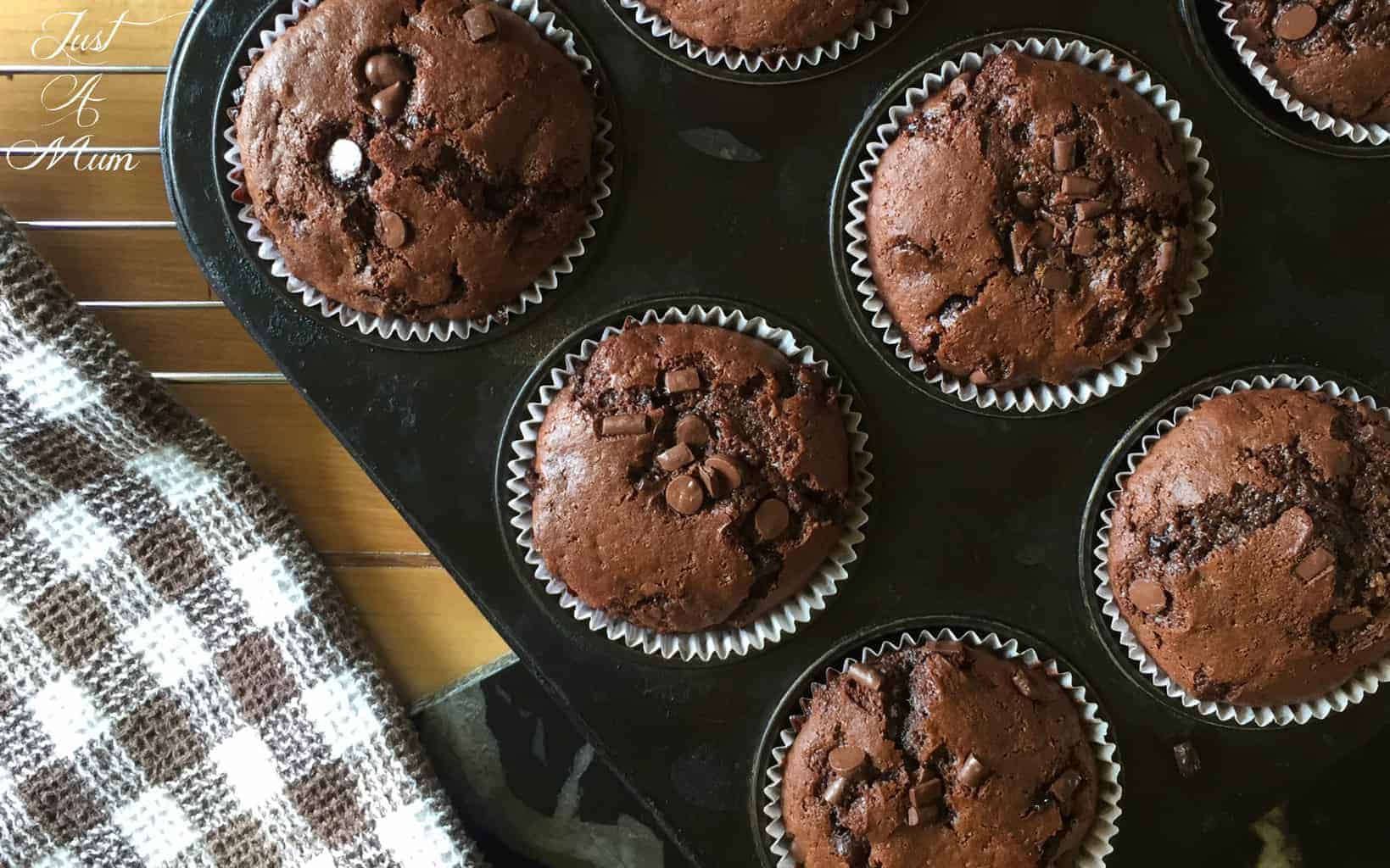
Should Muffin Batter Rest?
Yes, ideally. It’s a simple trick that really does help.
Letting the batter sit for 10–15 minutes allows the flour to hydrate and can help give a better rise and texture.
Why Do My Muffins Taste Bland?
This usually comes down to not enough flavour or salt.
Easy fixes:
- Add a pinch of salt to enhance flavour
- Make sure you’re using enough vanilla, spice or fruit
- Don’t reduce sugar too much unless adjusting other ingredients
For simple, everyday baking, recipes like my banana oat muffins or apple carrot muffins are a great place to start.

Why Do My Muffins Taste Like Baking Soda?
This happens when there is too much baking soda or it hasn’t been balanced with enough acid (like yoghurt, buttermilk or fruit).
To fix:
- Measure carefully
- Only use baking soda if the recipe includes an acidic ingredient
- Don’t swap baking powder and baking soda — they’re not the same
How to Stop Muffins Sticking to the Tin
This one is so frustrating, but it’s an easy fix.
Even if you’re using paper cases, it helps to lightly spray the muffin tin.
My tip:
- Spray the muffin tin
- Lightly spray the top of the pan as well
- Use paper cases if your muffins tend to stick no matter what you try.
This helps prevent sticking and also allows the tops to lift and dome nicely instead of catching.

How to Prevent Soggy Bottoms
No one wants a soggy bottom (we’ve all been there).
This usually happens when muffins sit in the tin too long after baking.
What to do:
- Remove muffins from the tin after 5 minutes
- Cool on a wire rack
- Avoid storing them while still warm
Oven Temperature Tips
Oven temperature makes a bigger difference than you might think.
- Too low → flat, pale muffins
- Too high → overcooked outside, raw centre
For most muffin recipes, a good starting point is 190°C in a conventional oven (180°C Fan Bake).
If you’d like a higher, more domed top, you can start the muffins at a hotter temperature (around 200°C) for the first 5–8 minutes, then reduce the heat for the remaining baking time.
If your oven runs unevenly, it’s worth checking it with an oven thermometer.

A Few Simple Muffin Tips That Make a Big Difference
- Don’t overmix
- Measure ingredients carefully
- Use room temperature ingredients where possible
- Check muffins early rather than late
- Let them cool properly
Final Thoughts
Muffins really are one of the easiest bakes once you get the hang of them. A few small changes can make a big difference, and before long you’ll get a feel for how your batter should look and how your muffins should bake.
If you’re looking for ideas, you can browse all of my muffin recipes here, there are plenty to choose from.
Happy Baking!
Anna xo
Leave a Reply